Paris to Barcelona Train —
One Journey. Two Cities.
Countless Memories.
Travel by high-speed train from Paris to Barcelona in just ~6h 50m — one of Europe's great rail journeys, city centre to city centre.

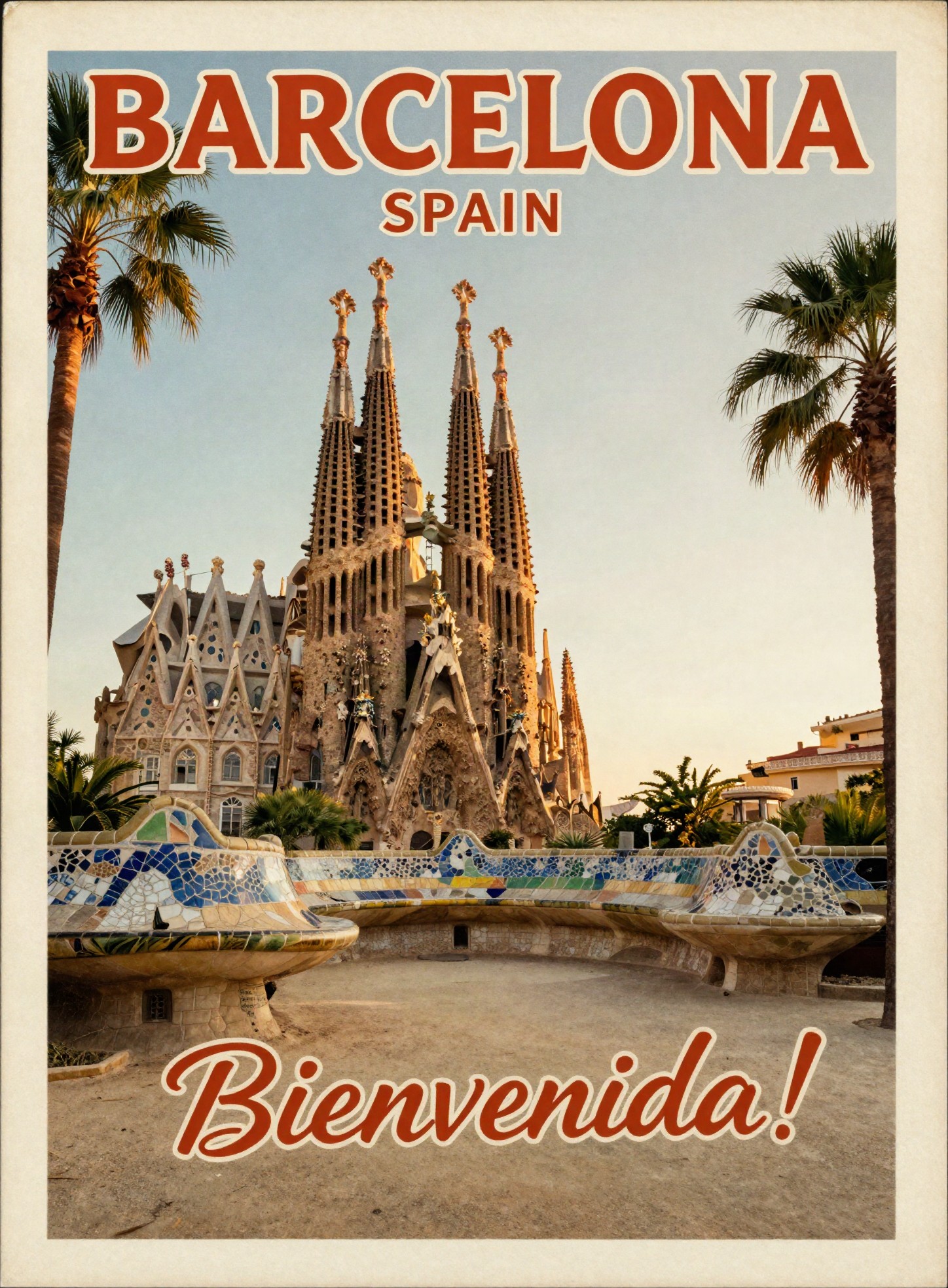
The Best Way to Travel
Direct & Fast
Only ~6h15–6h50, no transfers
Comfortable
Relax on a double-deck TGV with free WiFi

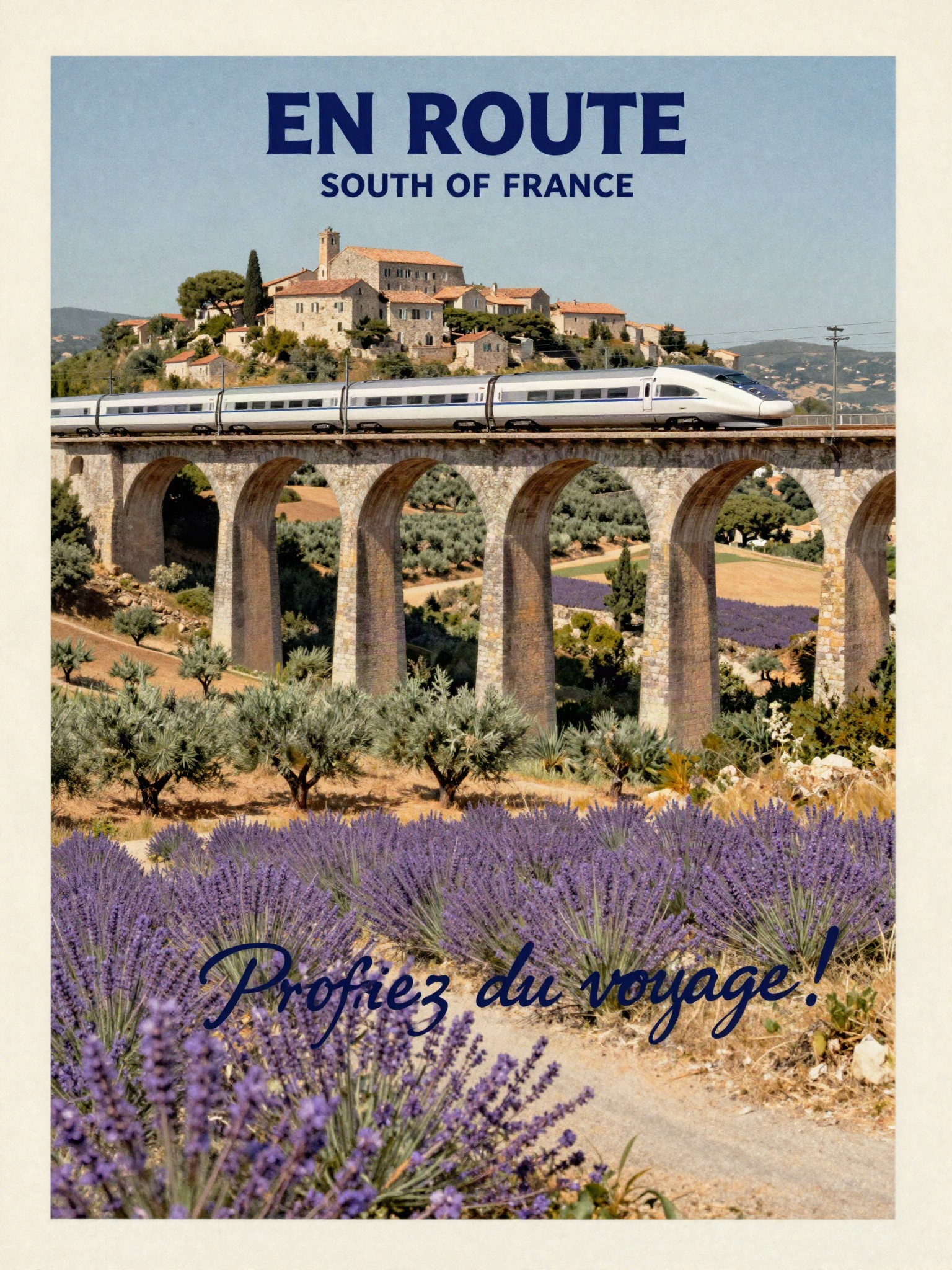
Scenic Route
Vineyards, coast and the Pyrenees
Gare de Lyon to Sants
The Paris to Barcelona Train Route
One direct TGV INOUI, 1,073 km of track — about 830 km (515 miles) as the crow flies — tracing the Rhône valley, the Mediterranean coast and the Pyrenees before Catalonia opens up. These services are run by Renfe-SNCF en Comù, the joint venture between France's SNCF and Spain's Renfe, using SNCF's double-deck TGV Duplex trainsets built for up to 320 km/h.
Direct service only became possible once the Perpignan–Figueres high-speed line opened in December 2010, and the first TGV INOUI ran in December 2013. Before that, every cross-border train stopped at Cerbère or Portbou to change trains, since Spain's railways use a wider Iberian gauge than the rest of Europe — the new line was built to standard gauge specifically so trains could finally run straight through.
PARIS
GARE DE
LYON
GARE DE
LYON
Km 0 · departure
Paris Gare de Lyon
The journey starts at SNCF's Gare de Lyon, under the same Belle Époque roof as Le Train Bleu, the station's century-old restaurant — a fitting first stamp on a trip built around slow travel done fast.
VALENCE
TGV
TGV
Km ~570
Valence & the Rhône Valley
The train bypasses Lyon, reaching up to 300 km/h through the Rhône valley before slowing for a string of closer-together stops through the south. This stretch runs past the northern Côtes du Rhône vineyards, one of France's oldest wine-growing regions.
MONTPELLIER
NÎMES
NÎMES
Km ~700–750
Nîmes, Montpellier & the Mediterranean
Roman ruins at Nîmes, then Montpellier, Sète, Agde and Béziers — the line hugs the coast here, with the Mediterranean visible for long stretches from the upper deck. Watch the left side of the train near Nîmes for a glimpse of the wetlands of the Camargue, and keep an eye out for the Pont du Gard, the Roman aqueduct that's now a UNESCO World Heritage Site, a short detour from the line. Sète, sometimes called the "Venice of Languedoc," is built around a network of canals connecting the town to the sea.
PERPIGNAN
★
★
Km ~900
Perpignan — Last Stop in France
The TGV usually splits or joins here before crossing into Spain, then speeds back up to 320 km/h for the final run toward the border. Salvador Dalí, who grew up nearby, once declared the Gare de Perpignan the "center of the universe" and painted it in 1965 — a plaque at the station still marks the claim.
FIGUERES
GIRONA
GIRONA
Km ~950–1010
Figueres-Vilafant & Girona
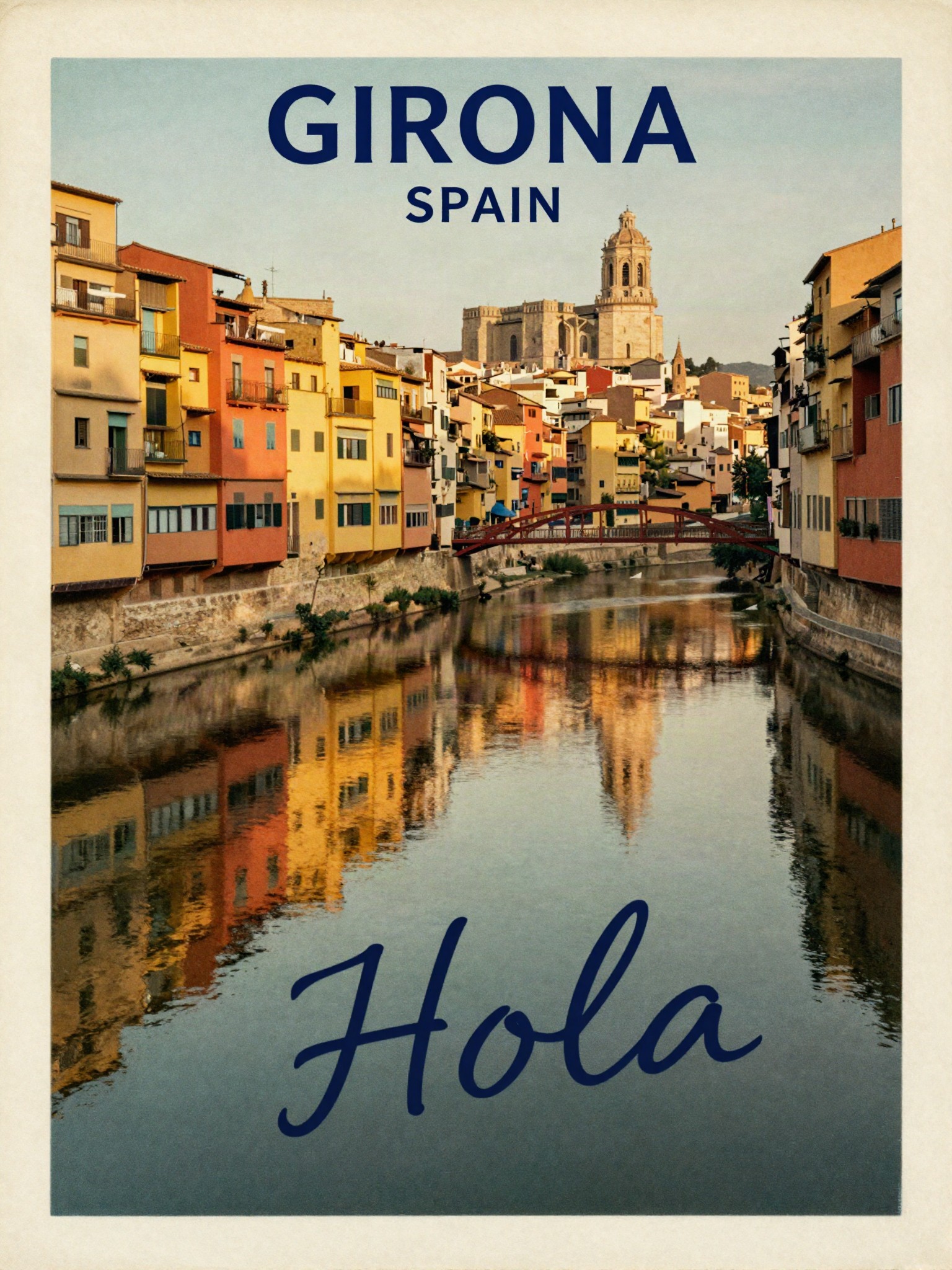
Figueres is Dalí's hometown and home to the Dalí Theatre-Museum, which he designed himself and where he's buried. Girona's colorful riverside houses are visible from the platform and make an easy add-on stopover on either leg of the trip — the cathedral steps and old Jewish quarter have also served as filming locations for Game of Thrones.
BARCELONA
SANTS
SANTS
Km 1,073 · arrival
Barcelona Sants
Journey's end, right in the city center, with Metro lines L3 and L5 connecting straight from the platform. Sants is Barcelona's main long-distance station and also the starting point for Renfe AVE trains onward to Madrid, so it's a useful hub if you're continuing across Spain.
Timetable & fares
Paris to Barcelona Train Times and Ticket Prices
Journey time and price both depend on which of the day's direct trains you take and how far ahead you book.
Direct departures are typically spread across the day — an early-morning train, a midday departure and a late-afternoon or evening service — so there's usually an option whether you'd rather arrive for lunch or for dinner. On a typical day the first train from Paris leaves around 6:24 AM and the last around 10:14 PM, though exact times shift by season, so always confirm the current schedule in the search widget above rather than planning around a fixed timetable.
| Fastest direct train | 6h15 |
|---|---|
| Typical direct train | 6h39–6h50 |
| Direct trains per day | 2–6 each way |
| Lowest one-way fare | From $105 (2nd class, advance purchase) |
| Full-price flexible fare | Up to $245 (any class) |
| Booking window | Opens up to 4 months ahead on some departures |
| Seat reservations | Included and required on every ticket type |
Fares rise as the departure date gets closer, and quoted lowest prices vary between $105 and $245 depending on the source and how far ahead you book — compare a couple of options, including the live search above, before booking.
Onboard experience
What to Expect on the Paris to Barcelona Train
SNCF's TGV Duplex double-deck trains run the route, with free WiFi, a power socket at every seat, and a café-bar on the upper level.
The café-bar leans into both countries it serves — expect French coffee and pastries alongside Spanish snacks, plus wine from the regions the train just passed through in the south of France. It's a self-service counter on the upper deck, not table service, so bring a book or plan to queue during the lunch and dinner rush. Every class gets reclining, adjustable seats, overhead racks for hand luggage, and wheelchair spaces are available in dedicated carriages — flag this when booking so it can be reserved in advance.
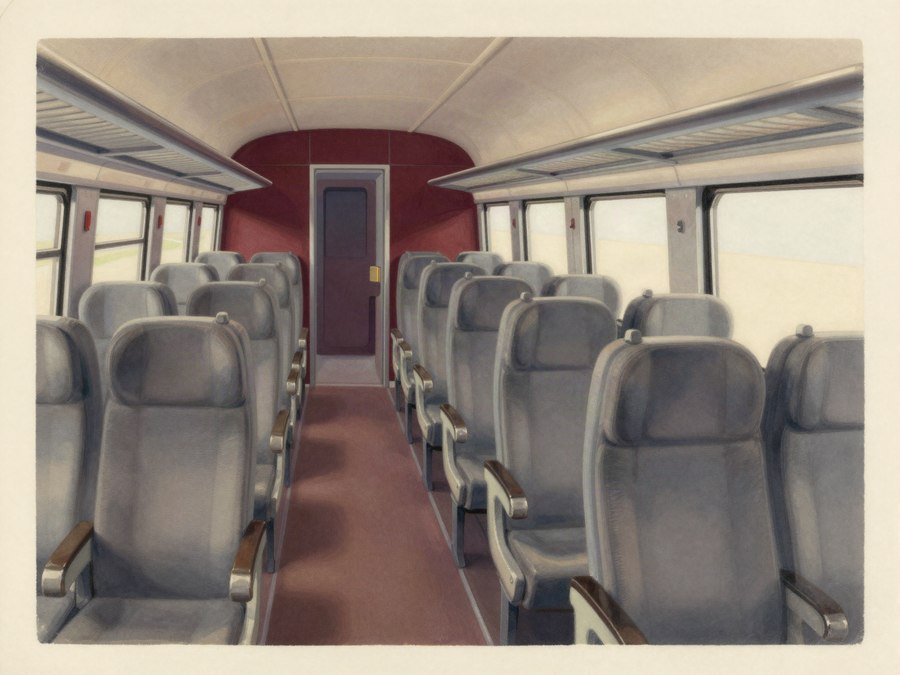
Standard tickets
Reserved seating in an air-conditioned standard coach across both decks of SNCF's TGV Duplex, the standard trainset used across these high speed rail services. Toilets are available on both levels of every coach.
- Free WiFi & power sockets
- Café-bar on the upper deck
- 3 free bags + 1 hand item
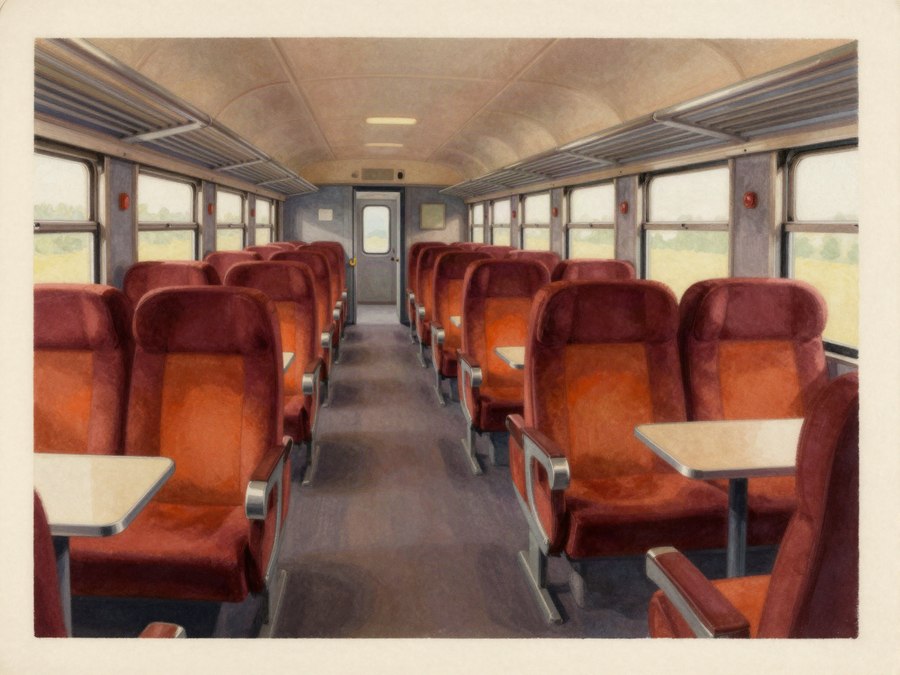
First Class (Preferente)
1st class travel with wider, adjustable reclining seats, headrests and footrests, in a quieter coach.
- Solo, duo or private cabin seating
- Extra legroom
- Priority boarding
Train vs. plane vs. car vs. bus
Is the Paris to Barcelona Train Faster Than Flying?
Planes are quicker in the air — but door to door, city center to city center, the gap narrows fast. It's also the far greener option: one widely cited comparison puts train travel at around 7 lbs of CO2 per passenger on this route, against roughly 430 lbs for the equivalent flight.
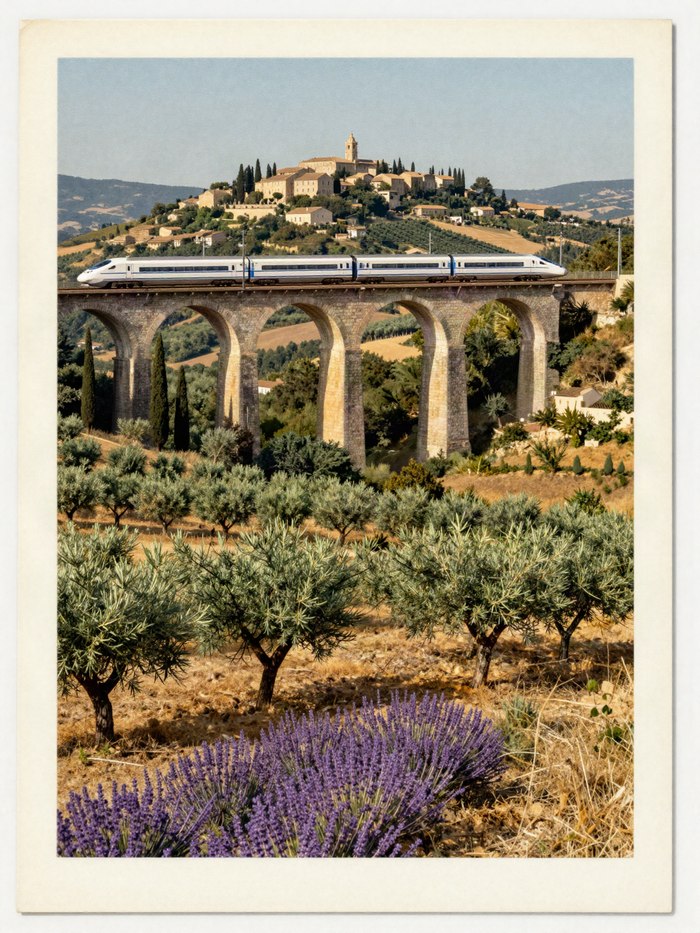
Train
~6h50City center to city center, no check-in and no security queue — just walk to the platform and sit back.
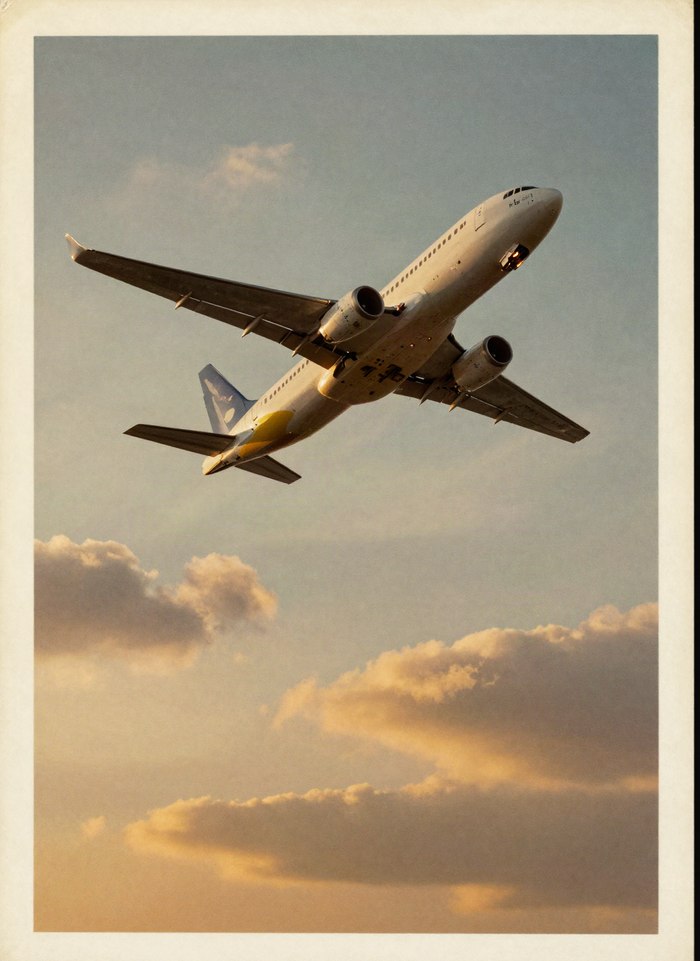
Plane
<2h in the airAdd airport transfers, check-in and security on both ends and the total often lands close to the train.
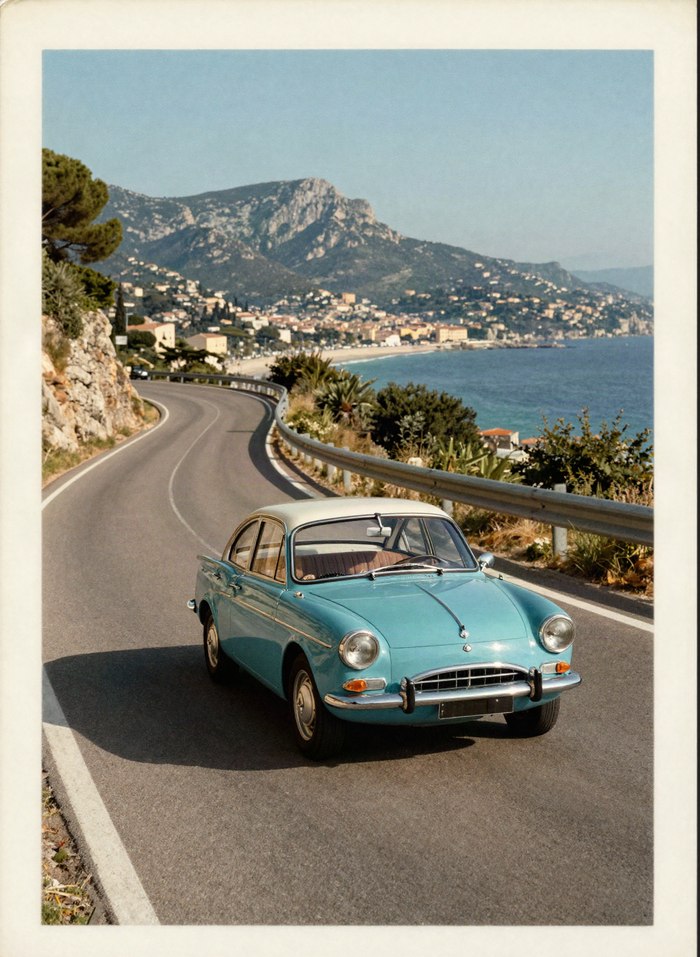
Car
~10hA scenic drive down through France, but tolls, fuel and fatigue add up over 1,000+ km.
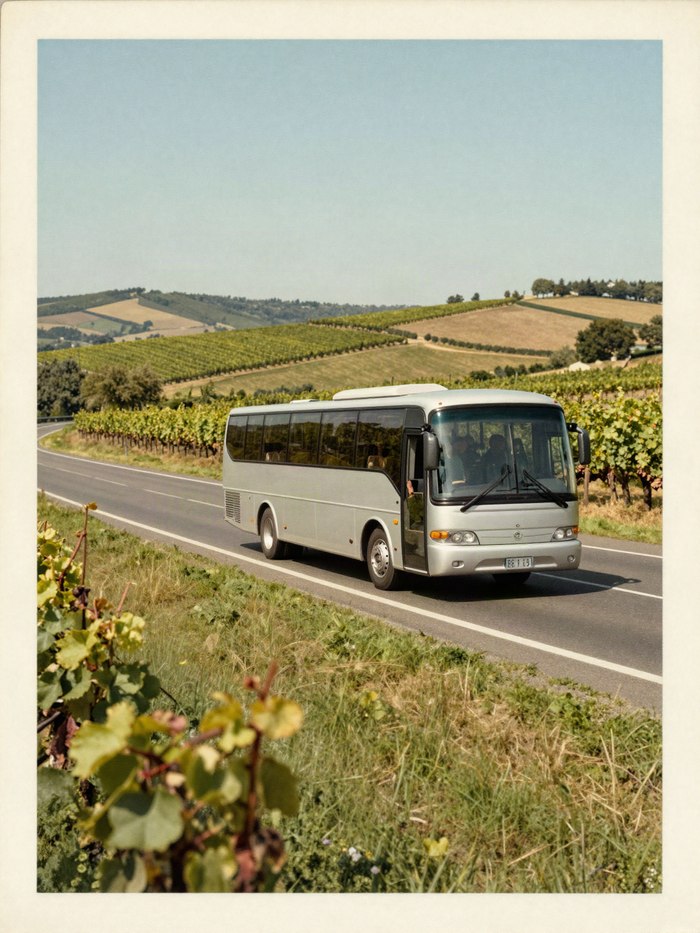
Bus
~14-16hThe cheapest option on paper, from around €21, but a much longer trip than the train for most travelers.
Bags & luggage
Luggage Allowance on the Paris to Barcelona Train
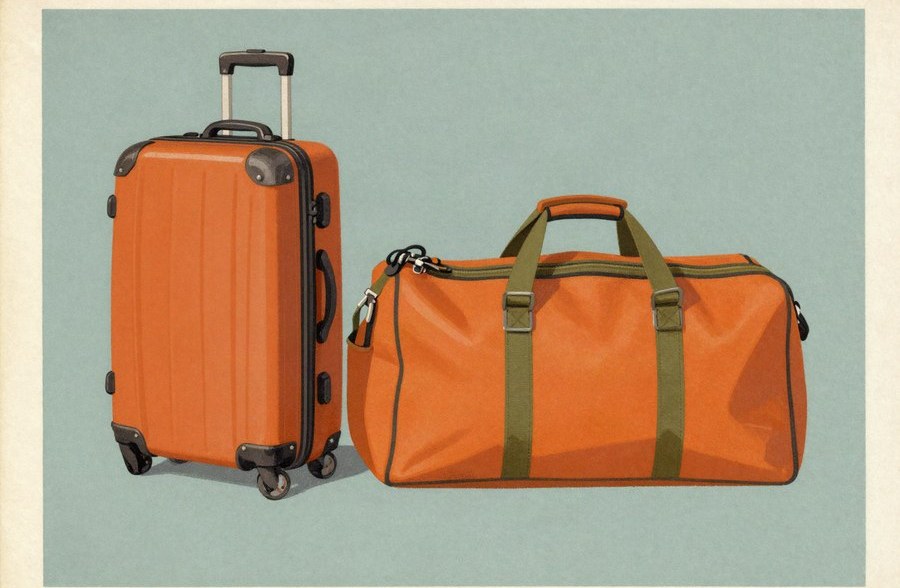
SNCF's TGV INOUI baggage policy is generous compared with flying, and it's included in every fare. Luggage space is split between overhead racks above every seat and dedicated luggage storage racks by the doors on both decks, so there's room for more than a single carry-on. Folding bikes travel free as regular luggage; full-size bikes need a reservation.
| Free allowance | Up to 3 bags per passenger, none larger than 85×55×35 cm, 25 kg combined |
|---|---|
| Hand luggage | 1 additional item, max 46×70 cm, included free, fits in the overhead racks |
| Bicycles | Must be semi-dismantled in a bag no larger than 120×90 cm |
| Security | X-ray baggage scan before boarding at Spanish stations |
| Pets | Small pets in a carrier (under 6 kg) travel free; larger dogs must be leashed, muzzled and ticketed at a reduced fare |
| Reduced mobility | Both Gare de Lyon and Barcelona Sants offer step-free access, and wheelchair spaces can be arranged if booked ahead |
On arrival
Getting Around Once You Arrive
Both the Paris station and the Barcelona station sit inside the city centre's own transit network, so there's no separate airport-style transfer to plan. Onward rail services from Gare de Lyon also reach destinations like Toulouse and Lyon, so it's an easy add-on if your travel plans stretch beyond Barcelona.
| From Paris Gare de Lyon | Metro lines 1 and 14, RER A and D, and multiple bus routes leave directly from the station concourse |
|---|---|
| From Barcelona Sants | Metro lines L3 and L5 connect from the platform level, with Rodalies regional trains also calling here |
| Taxis | Ranks are available outside both stations, though the Metro is usually faster in peak traffic |
Before you board
Paris and Barcelona Highlights
Flip a card to read the back, like a real postcard, and see why each end of the line is worth lingering in.

Paris
Eiffel Tower
Paris
Built for the 1889 World's Fair and meant to stand for only 20 years — climb it at dusk for the best light over the rooftops.
Paris
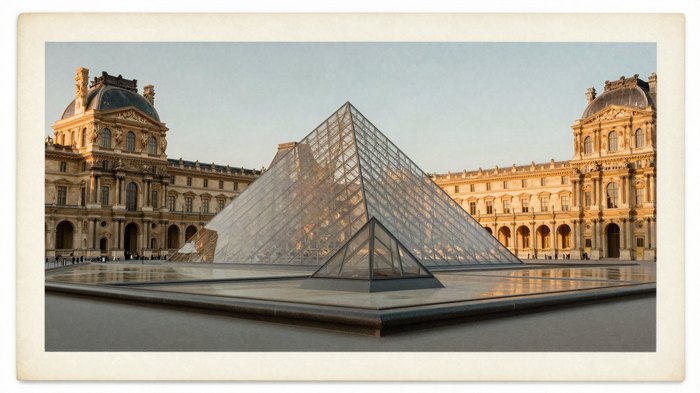
Louvre Museum
Paris
The world's most-visited museum, from the Mona Lisa to the glass pyramid entrance that started as a controversial addition.
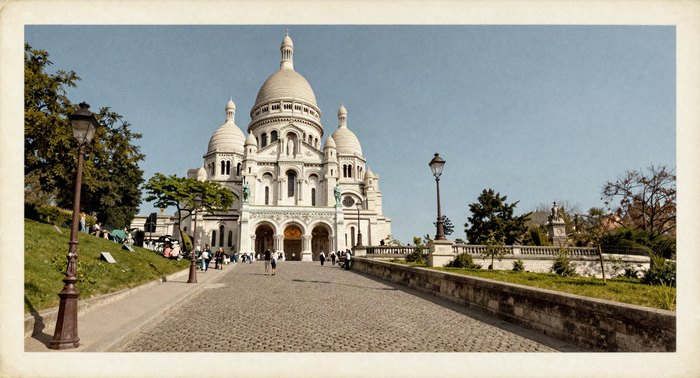
Paris
Montmartre
Paris
Cobbled streets, artists' squares and the domed Sacré-Cœur basilica looking out over the whole city.
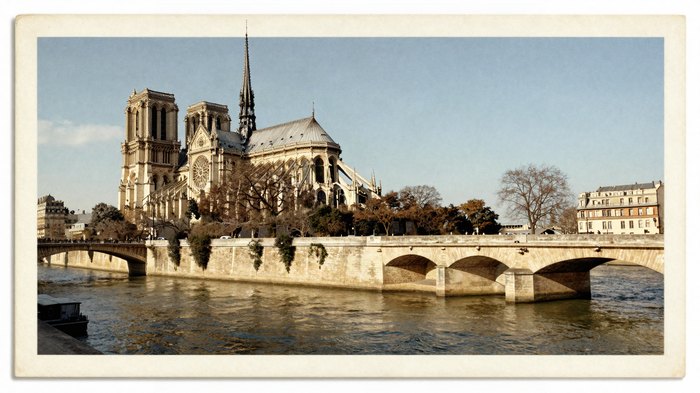
Paris
Notre-Dame
Paris
The Gothic cathedral on Île de la Cité reopened in December 2024 after the 2019 fire, its spire and stonework meticulously restored.
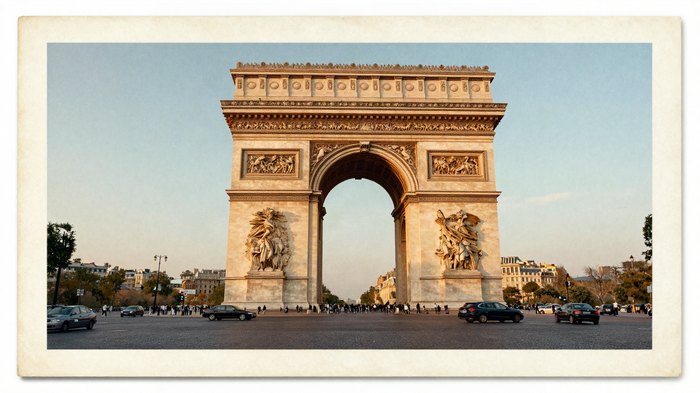
Paris
Arc de Triomphe
Paris
Commissioned by Napoleon to honor his armies, with the Tomb of the Unknown Soldier beneath it — climb to the terrace for one of the best skyline views in Paris.
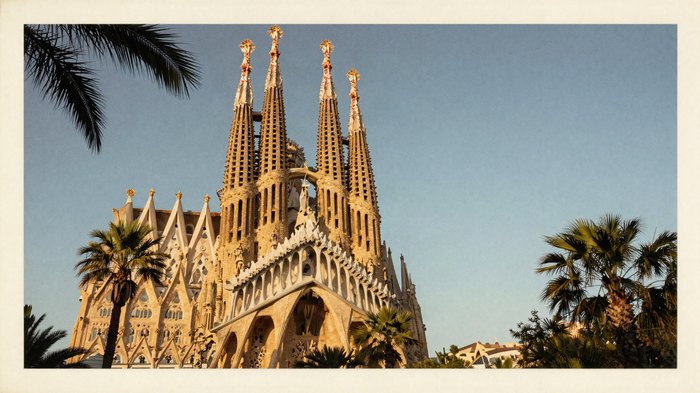
Barcelona
Sagrada Família
Barcelona
Gaudí's unfinished basilica has been under construction since 1882 and remains the city's most recognizable landmark.
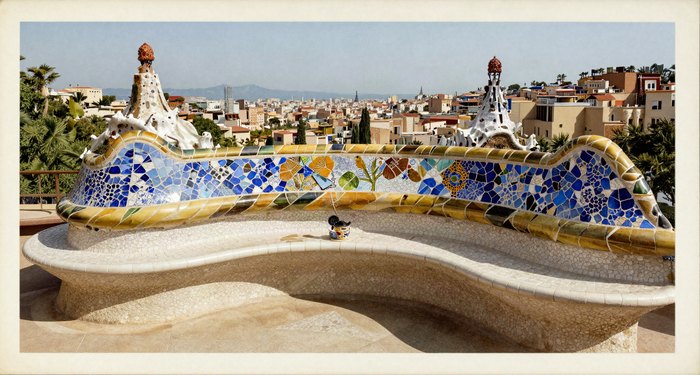
Barcelona
Park Güell
Barcelona
A whimsical hilltop park full of Gaudí's mosaic tilework, with sweeping views over the city to the sea.
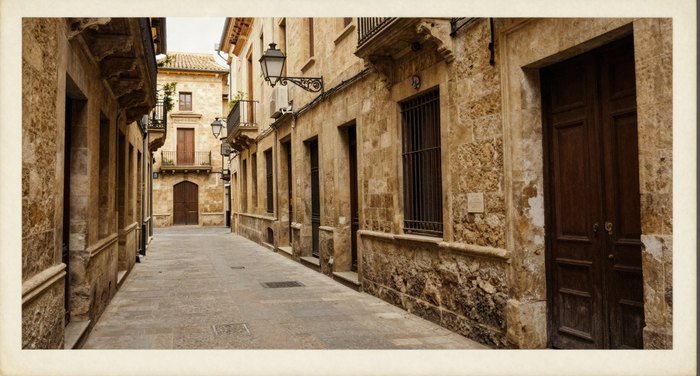
Barcelona
Gothic Quarter
Barcelona
Barcelona's medieval old town — a maze of narrow stone streets, hidden squares and Roman ruins.
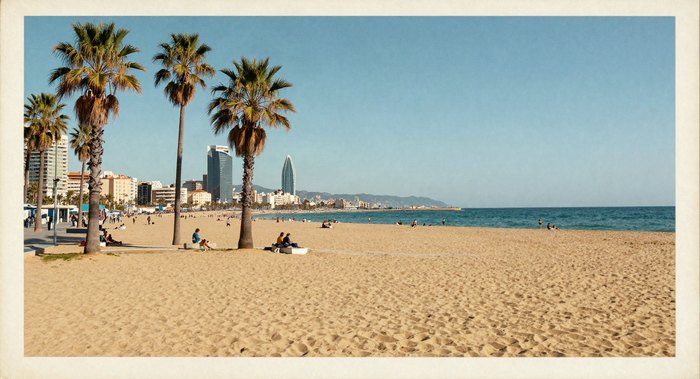
Barcelona

Barceloneta Beach
Barcelona
A city beach a short walk or tram ride from Sants — proof Barcelona is one of the few major European capitals with real sand on its doorstep.
Smart booking
Tips for Buying Paris to Barcelona Train Tickets
Book early
The cheapest advance fares — from around $105 — sell out first and prices climb steadily as the departure date approaches. SNCF and Renfe both post their best deals furthest in advance, so check both when comparing.
Travel midweek
Tuesday to Thursday departures are typically less crowded and cheaper than Friday or Sunday trains.
Consider a discount card
Frequent travelers on French rail can look into SNCF's Carte Avantage for a flat percentage off — worth it only after a few trips a year. There are separate Avantage cards for youth, adult and senior travelers, each priced differently, so compare the annual fee against how many return trips you'd realistically take before buying one.
Pack a picnic
The café-bar is well stocked, but bringing your own food for the almost-seven-hour ride costs a lot less than onboard prices.
Travel spring or fall
May, June, September and October bring milder weather along the southern French coast and thinner crowds in Girona and Barcelona than peak summer.
Buy online or in person
Tickets can be bought online through the search above, or in person at an SNCF ticket office or counter at Gare de Lyon if you'd rather talk to someone about ticket type, seating and travel options.
Frequently asked questions
Paris to Barcelona Train — Common Questions
How long does the Paris to Barcelona train take?
The fastest direct TGV INOUI covers the 1,073 km route in as little as 6h15, with most direct trains taking around 6h39–6h50 city center to city center — some sources round this to an average of about 6h46m.
Is there a direct train from Paris to Barcelona?
Yes. TGV INOUI trains, run jointly by SNCF and Renfe, travel direct from Paris Gare de Lyon to Barcelona Sants with no change of train — daily frequency varies by source and season, from around 2–3 up to 6 direct departures each way.
Where do Paris to Barcelona trains depart and arrive?
Paris Gare de Lyon to Barcelona Sants station, both right in the city center.
How much does a Paris to Barcelona train ticket cost?
One-way fares typically start from around $105 for advance-purchase 2nd class tickets, up to about $245 for flexible full-price fares. Compare live fares in the search above.
What stops does the Paris to Barcelona train make?
After Paris, the direct TGV calls at Valence, Nîmes, Montpellier and Perpignan in France, then Figueres-Vilafant and Girona in Spain before reaching Barcelona Sants.
Is there a night train between Paris and Barcelona?
No. The overnight Trenhotel sleeper train that once linked the two cities was discontinued after the high-speed line opened. France's own domestic night trains (Intercités de Nuit) don't cross into Spain either, so all direct Paris to Barcelona services today run by day.
What amenities are on board the Paris to Barcelona train?
Free WiFi, a power socket at every seat, air conditioning and a café-bar on the upper deck serving coffee, snacks and hot dishes. First class adds wider seats, extra legroom and a quieter coach.
How far in advance should I book?
Tickets typically go on sale a few months ahead and the cheapest advance fares sell out first, so booking as early as you can usually gets the best price.
Is the train faster than flying from Paris to Barcelona?
The flight itself takes under 2 hours, but once airport travel, check-in and security are added, the direct train's roughly 6h50 city-center-to-city-center journey often works out similar door to door, with no boarding gates and a lot more legroom.
How much luggage can I bring on the Paris to Barcelona train?
Up to three bags (max 85×55×35 cm, 25 kg combined) plus one hand-luggage item per passenger, at no extra charge.
Do I need a passport for the Paris to Barcelona train?
Yes. Even though France and Spain are both in the Schengen area, this is an international service, so you'll need a valid passport or national ID card, and document checks sometimes happen before boarding.
What is a TGV Duplex train?
TGV Duplex is SNCF's double-deck high-speed trainset, used on the Paris to Barcelona train since the route launched. It runs at up to 320 km/h and carries roughly twice the passengers of a single-deck TGV in the same length.
Can I bring my dog or cat on the Paris to Barcelona train?
Small pets in a carrier under 6 kg travel free. Larger dogs are allowed on a leash and muzzle for a reduced fare.
Is WiFi free for the whole Paris to Barcelona train journey?
Yes, free WiFi is available in every coach for the whole trip, though the signal can briefly drop in tunnels or remote stretches of track.
Can I connect to other French or Spanish cities on this route?
Yes. Paris Gare de Lyon connects onward by TGV to Lyon, Marseille, Toulouse and the rest of SNCF's French high-speed network, while Barcelona Sants connects onward by Renfe AVE to Madrid and other major Spanish cities.
Are there discounts for children, seniors or groups on the Paris to Barcelona train?
Children under 4 travel free without their own seat, and children up to 11 get reduced fares. Some senior and group discounts are also available through SNCF and Renfe loyalty programs.
What happens if I miss my Paris to Barcelona train?
Advance-purchase tickets are generally non-exchangeable once the train has departed, so arrive with time to spare. Flexible fares can usually be exchanged for a later departure the same day.
Can I stop over in Girona or Perpignan for free on a Paris to Barcelona ticket?
No. A through-ticket is priced for the direct journey, so stopping over in Girona or Perpignan generally requires booking that leg as a separate ticket.
Why did the Paris to Barcelona train used to take so much longer?
Spain's railways were historically built to a wider track gauge than France and the rest of Europe, so before the current high-speed line opened, every cross-border train had to stop at Cerbère or Portbou to change trains or have its wheels swapped. The new line was built to standard gauge, which is what allows today's train to run straight through.
How far is Barcelona from Paris?
The train covers 1,073 km (667 miles) of track. As the crow flies, Paris and Barcelona are about 830 km (515 miles) apart.
Is there a bus from Paris to Barcelona?
Yes, long-distance buses run this route from around €21, making them the cheapest option on paper. The trip takes roughly 14 to 16 hours though, compared to under 7 hours on the direct train.
How much CO2 does the train save compared to flying?
One widely cited comparison puts the train at around 7 lbs of CO2 per passenger on this route, against roughly 430 lbs for the equivalent flight — a large difference even allowing for variation between estimates.
Are there wheelchair spaces on the Paris to Barcelona train?
Yes. TGV Duplex trains have wheelchair spaces in dedicated carriages, and both Gare de Lyon and Barcelona Sants offer step-free access. Book ahead so the space and any platform assistance can be arranged in advance.
Where can I buy Paris to Barcelona train tickets?
Online through the search widget above, or in person at an SNCF ticket office or counter at Gare de Lyon if you'd rather book face to face.
What time do the first and last direct trains from Paris to Barcelona run?
The earliest direct TGV INOUI leaves Paris Gare de Lyon around 6:24 in the morning, and the last direct departure is around 10:14 PM, though the exact timetable shifts by day and season — check the live search above for that day's schedule.
How long does a flight between Barcelona and Paris take?
Direct flights between Barcelona and Paris take about 4 hours 59 minutes in the air — planes fly this short-haul route several times a day — but once airport transfers, check-in and security on both ends are added, door-to-door time often lands close to the ~6h50 direct train.
Does the train pass near the coast or any other towns along the way?
Beyond its scheduled stops, the route runs close to Narbonne and gives a scenic glimpse of the Mediterranean coast and the Camargue wetlands near Nîmes before the line crosses into Spain.
